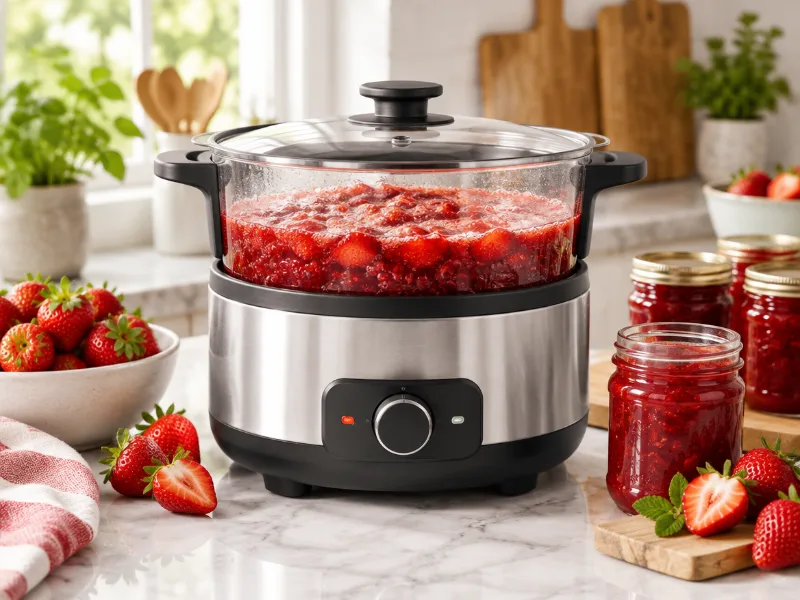
What's ripe at Jollisant Farms Strawberry and Vegetable Garden this week
Week of November 2 · updates automatically
Nothing is typically ripe here right now. Next up: strawberries from late February.
Dates for Jollisant Farms Strawberry and Vegetable Garden follow the typical seasons for Texas, adjusted for the local frost dates (last spring frost around March 7). A warm spring or a wet fall can shift picking by a week or more, so call ahead.
About Jollisant Farms Strawberry and Vegetable Garden
Where is Jollisant Farms Strawberry and Vegetable Garden?
Jollisant Farms Strawberry and Vegetable Garden is in Plantersville, Texas. The street address is missing from our data. The directions link takes you to the map pin.
Where else can you pick your own near Jollisant Farms Strawberry and Vegetable Garden?
Family Farm Strawberry and Vegetable Garden in Magnolia (under 1 mile), The King's Orchard in Plantersville (4.9 miles) and P-6 Farms in Conroe (6.9 miles).
When can you pick at Jollisant Farms Strawberry and Vegetable Garden?
Jollisant Farms Strawberry and Vegetable Garden is in Texas, where the usual window is March–May for strawberries. At the weather station nearest Jollisant Farms Strawberry and Vegetable Garden, the last spring frost comes around March 7 and the first fall frost around November 19. Call ahead: Jollisant Farms Strawberry and Vegetable Garden may open earlier or later depending on the crop.
Is Jollisant Farms Strawberry and Vegetable Garden close to College Station?
Jollisant Farms Strawberry and Vegetable Garden is about 37 miles southeast of College Station, TX, measured in a straight line, and about 48 miles from Houston, TX. Driving takes you a little farther than that; the directions button gives the real route.
What is the weather like for strawberry picking near Plantersville?
During the usual strawberry season in Texas (March to May), daytime highs near Plantersville average 72–86 °F, with measurable rain on about 5 days a month. Arrive at opening time if you can, the afternoons get hot. The numbers are 30-year NOAA averages (1991–2020), and a given week can run hotter or cooler.
 U-Pick Nearby